
Teaching Kids with AI
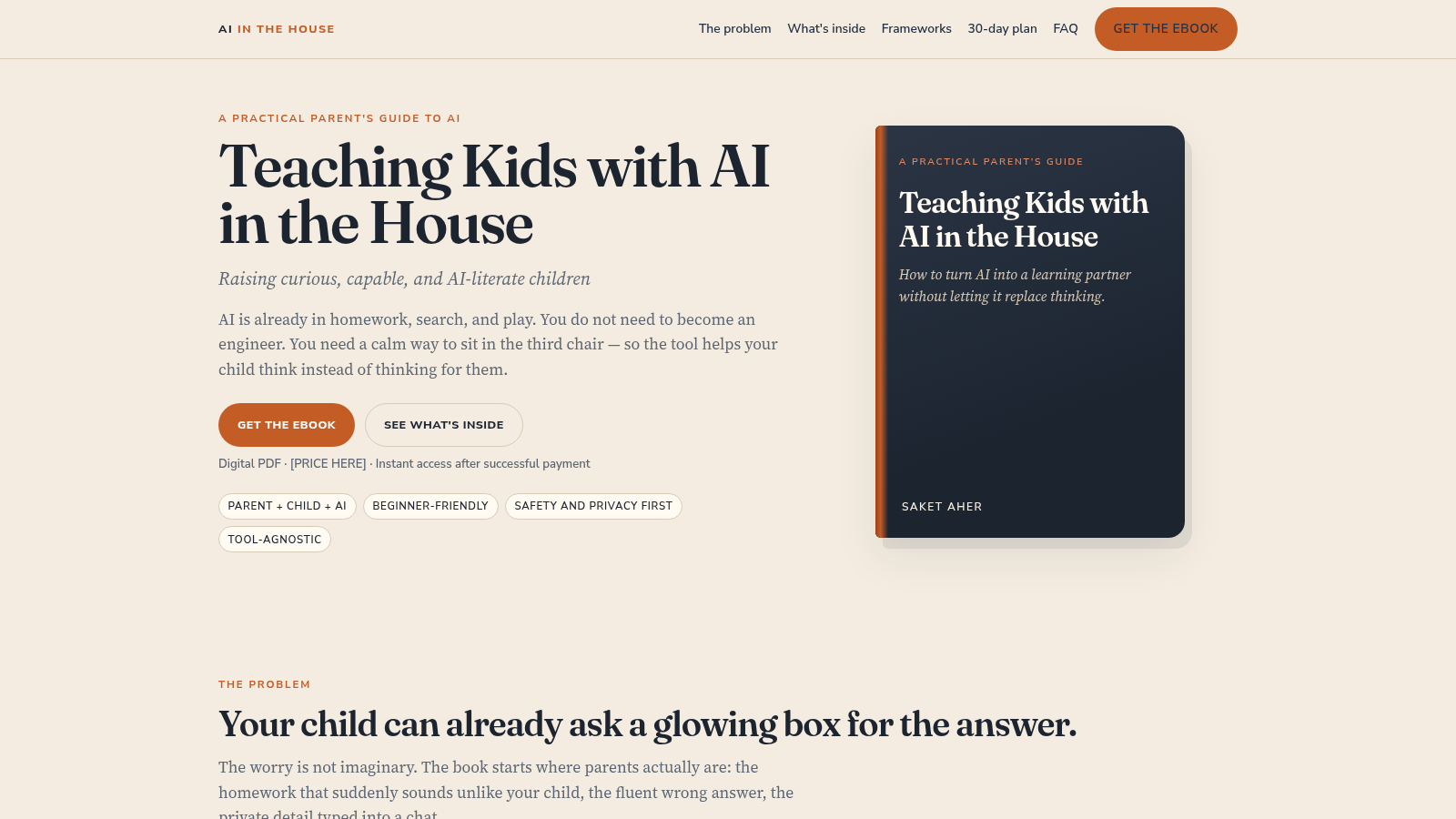
A practical parent's guide to raising AI-literate children at home.
Teaching Kids with AI in the House is a single-page site presenting a digital guide for parents and caregivers, written by Saket Aher. The page explains the guide's position that adults should stay involved as guides while children remain the learners and AI is only a limited third chair. It outlines the book's ten parts, from welcoming AI into the home and building safe habits through tutoring, creativity, critical thinking, an age-by-age playbook and a family practice system. It also presents four named frameworks for running AI sessions, age-banded guidance for children roughly aged 4 to 18, a set of do-together activities, a 30-day family challenge, a two-minute parent cheat sheet, an author note and an FAQ. On this preview the reading experience is complete, but the purchase path, price, contact details and legal pages are still placeholders.
Highlights
Ten-part guide
From basics to rules
Four frameworks
Repeatable systems
Age-by-age guidance
Ages 4 through 18
Never-share list
Privacy essentials
30-day plan
A daily family habit
Parent cheat sheet
Two-minute summary
Critical thinking
Verify every answer
How to Use
Read the opening argument
Open the homepage and read the hero, the problem statements and the core idea to understand the guide's stance: the parent stays in the relationship as a guide, the child stays the learner, and AI is described as a useful but limited third chair.
Browse the table of contents
Move to the What's inside section to review the ten parts, from welcoming AI into the home, through safe habits, tutoring and creativity, to critical thinking, age-by-age guidance and a family practice system.
Study the frameworks
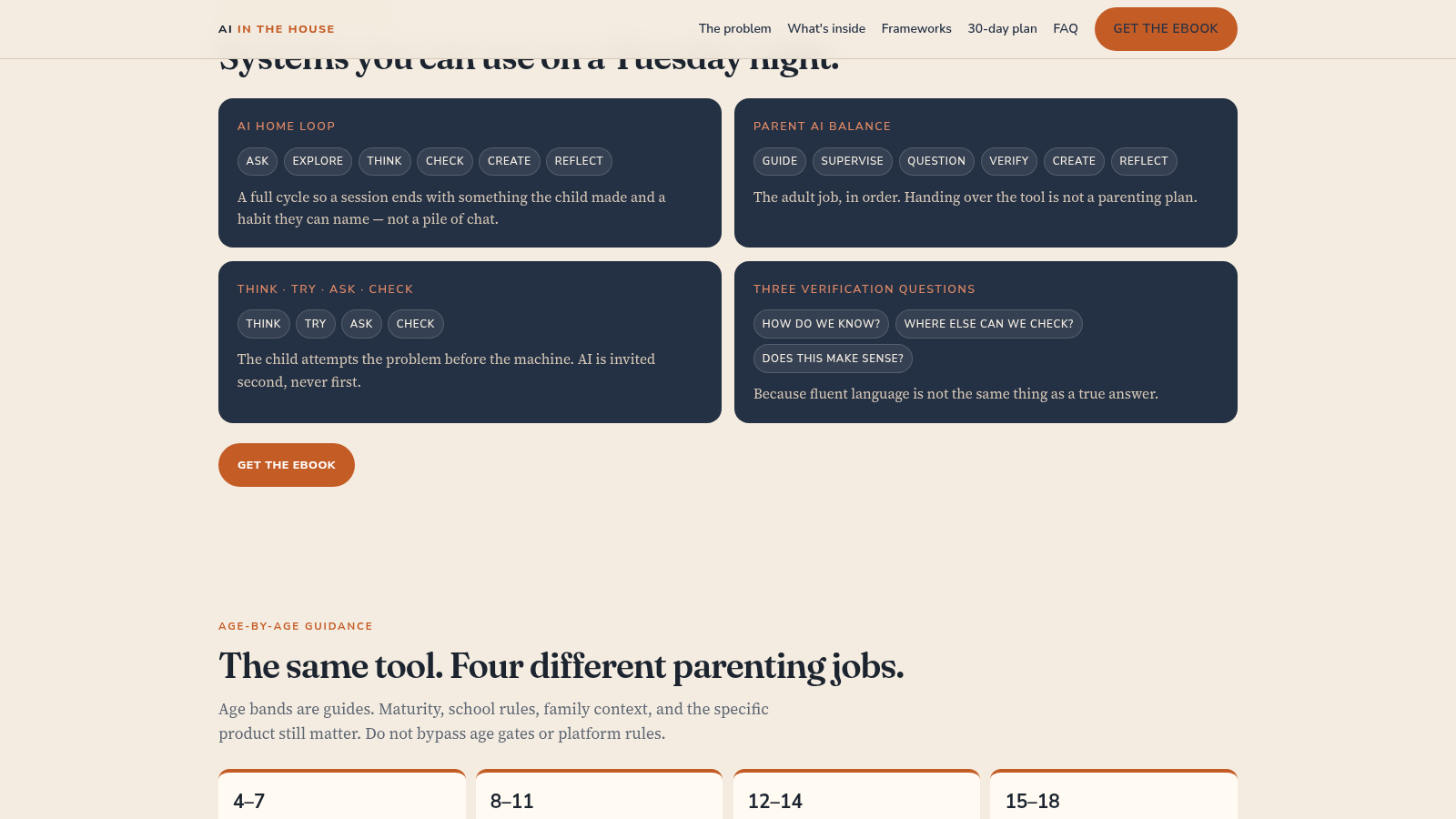
In the Signature frameworks section, read the four named systems: AI Home Loop, Parent AI Balance, Think Try Ask Check and the three verification questions. Each is shown as a short ordered row of steps with a one-line explanation.
Compare the age bands
Read the age-by-age section to see how the same tool maps to four different parenting roles, from parent-led short sessions for ages 4 to 7 up to responsible independence for ages 15 to 18, with a reminder that age bands are guides and platform rules must not be bypassed.
Follow the 30-day plan
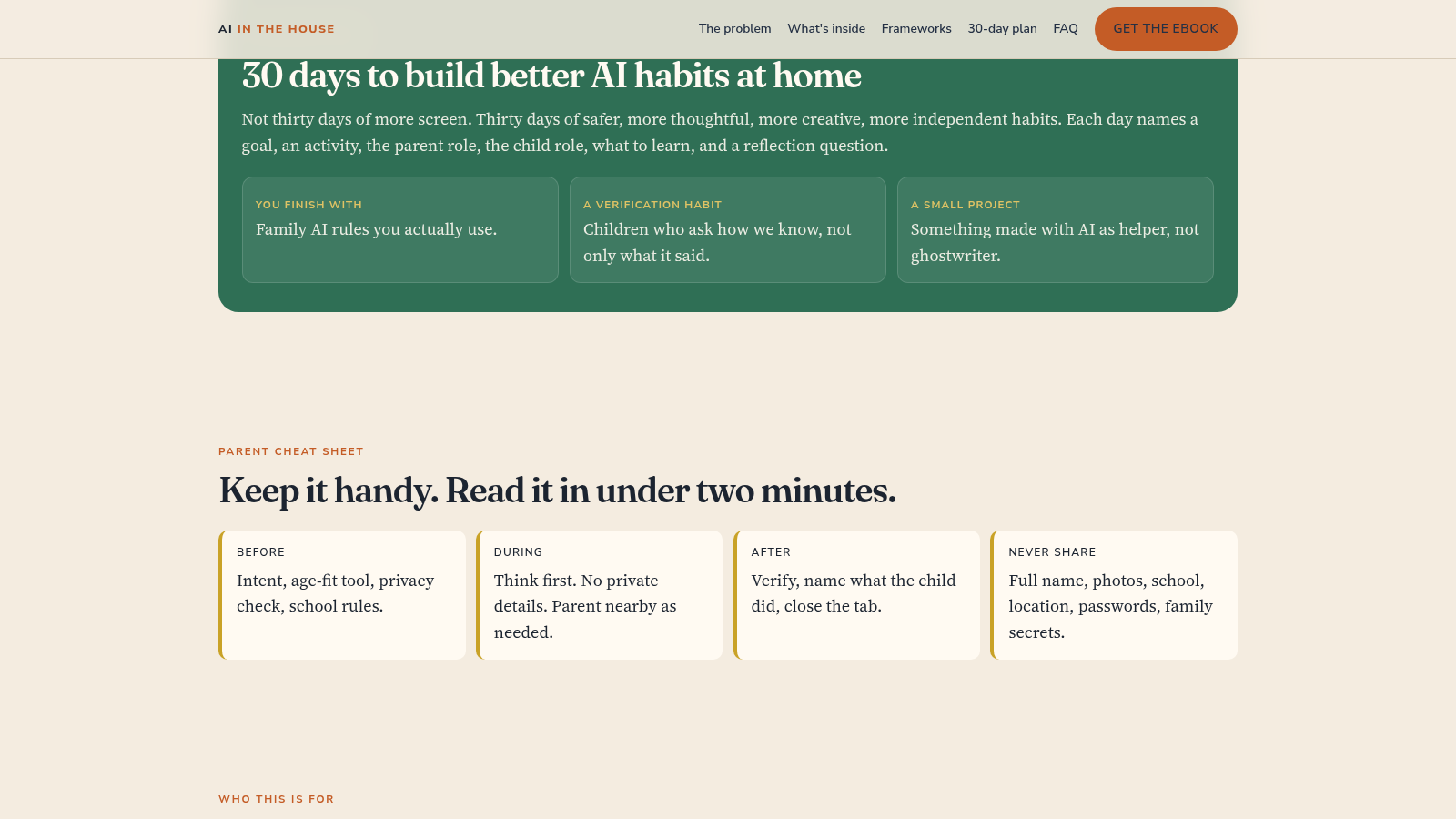
Read the implementation section describing a 30-day family challenge where each day names a goal, an activity, the parent role, the child role, what to learn and a reflection question, and lists what families finish with.
Keep the cheat sheet handy
Use the parent cheat sheet's Before, During, After and Never share columns as a quick reference for setting up, running and closing an AI session with a child, including the privacy items children should never type in.
Check the FAQ and author note
Scan the FAQ for answers about technical background, age groups, format and school policy, and read the author section describing the guide's scope and the public guidance it cites.
Similar Sites
 44
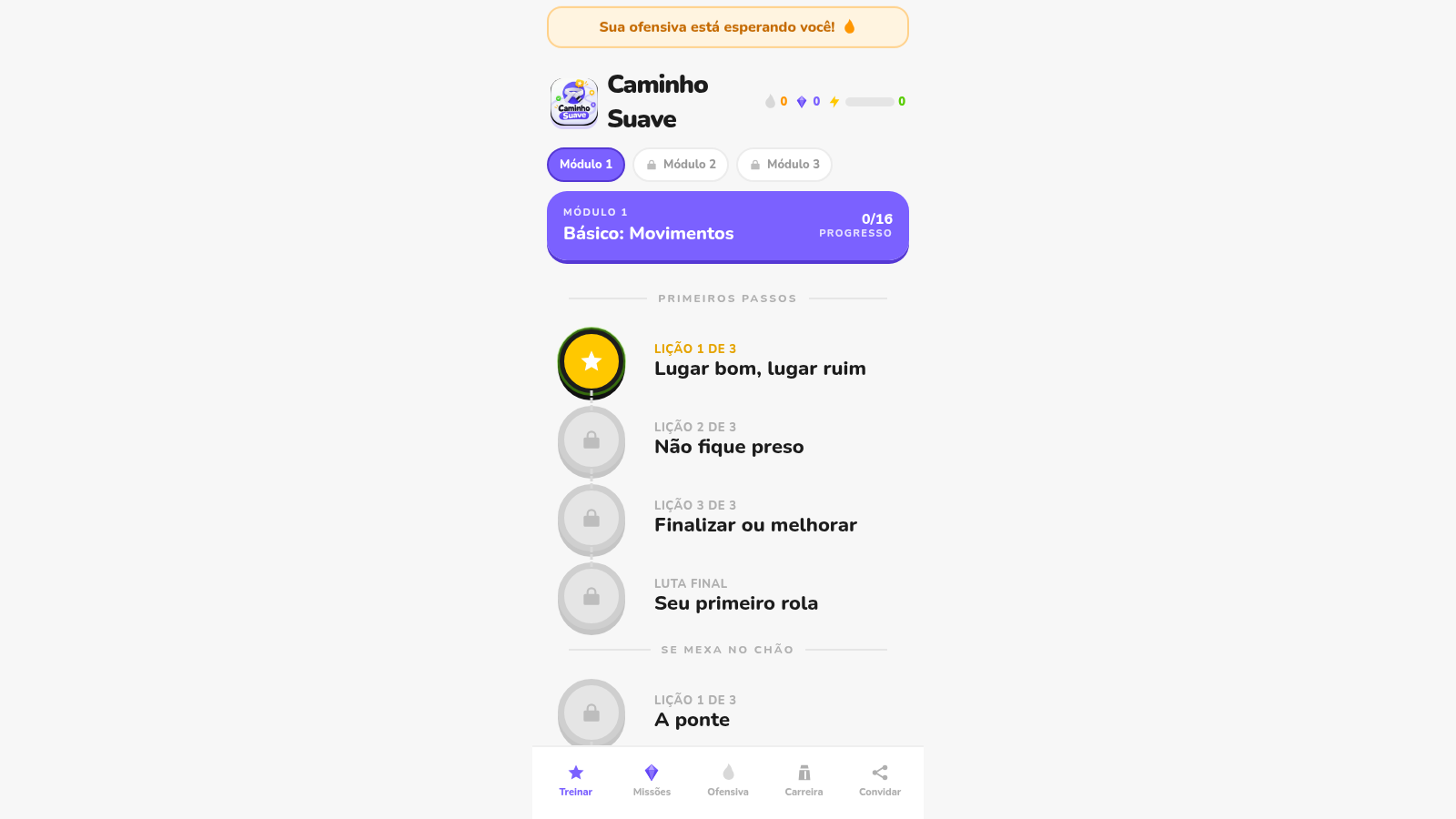
Caminho Suave
Carreira kids de jiu-jitsu com faixas, aulas e atletas Premium
 35
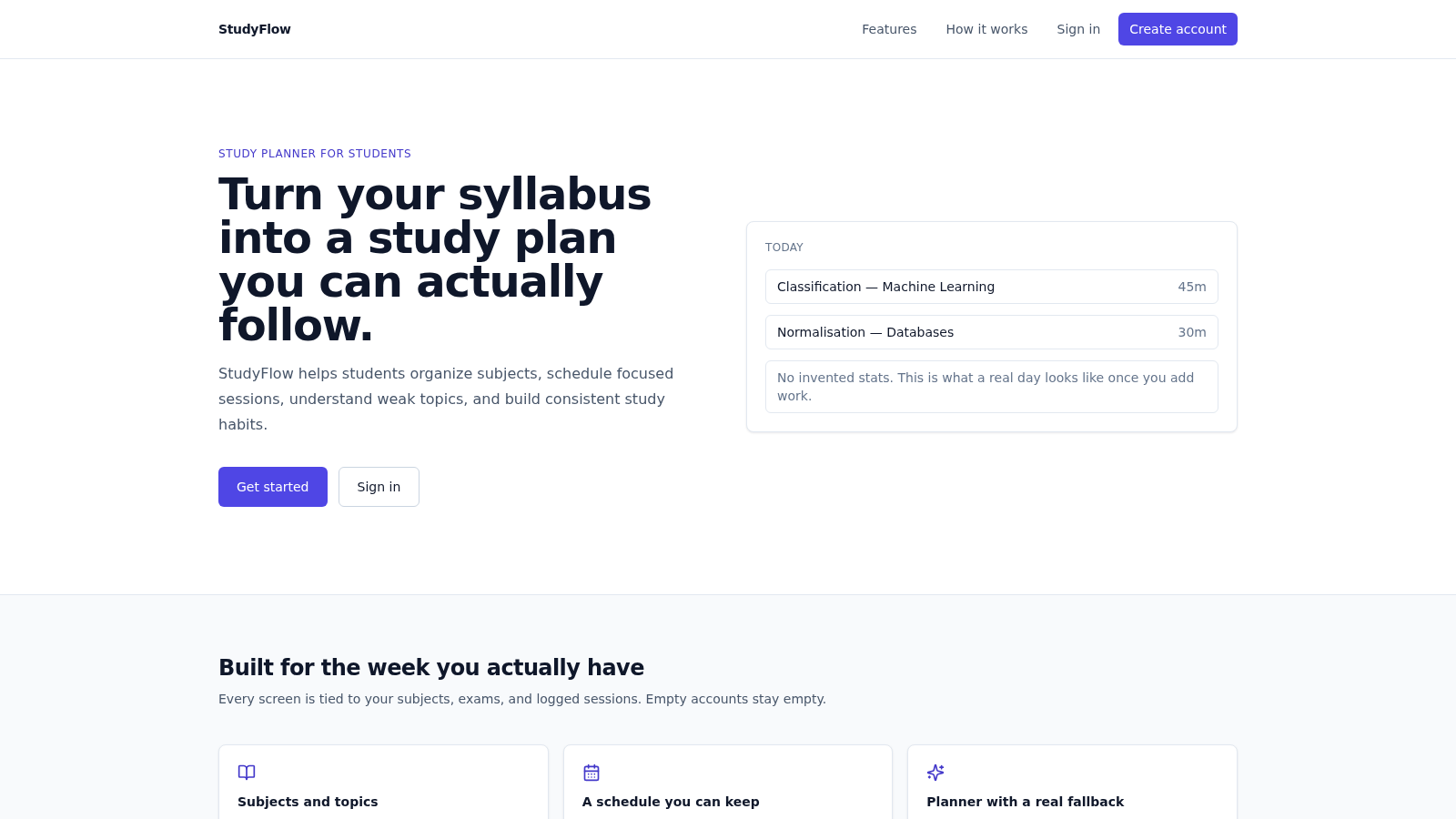
StudyFlow
Student study planner with subjects, calendar, analytics, and an optional AI scheduler.
 7
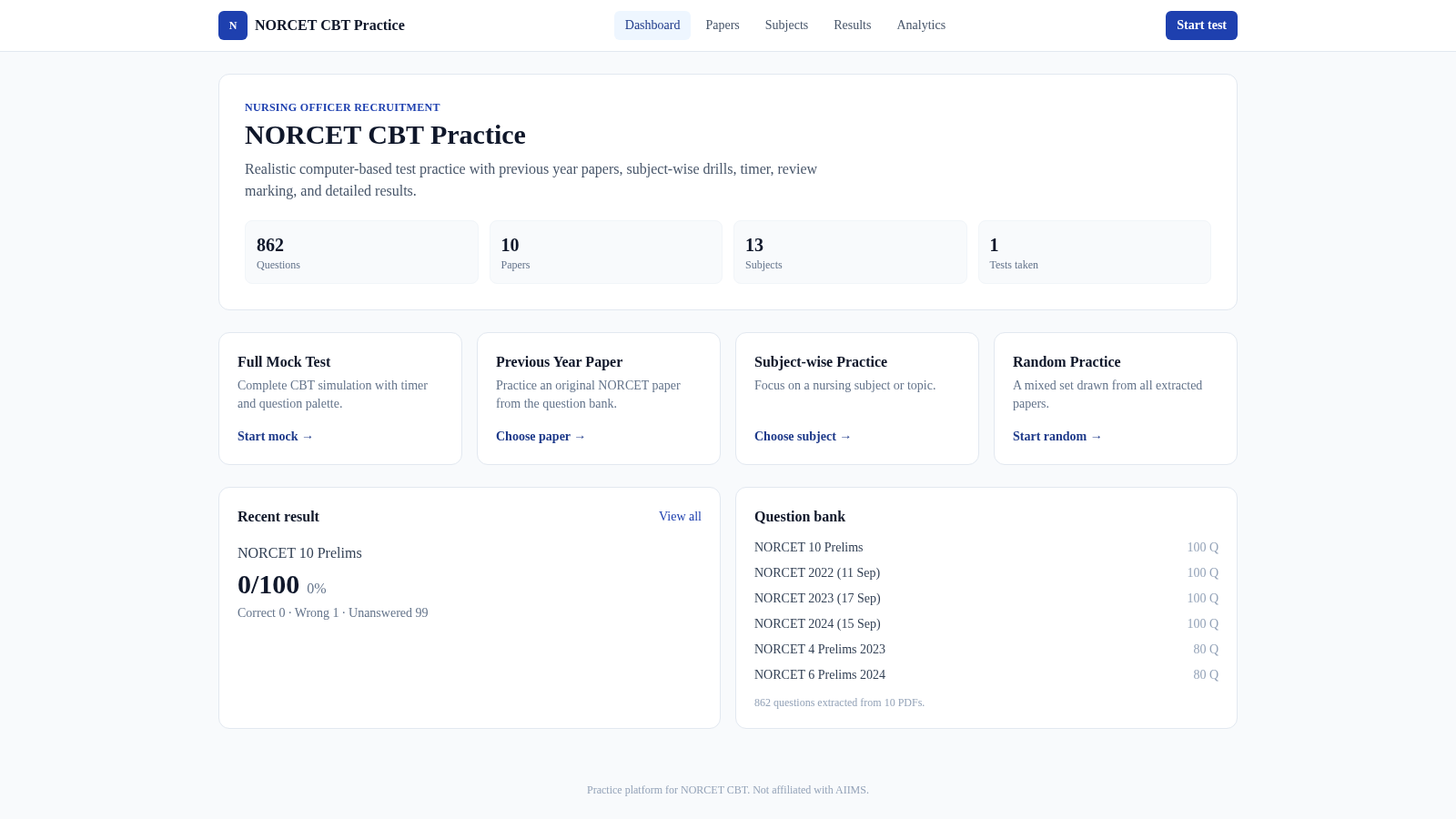
NORCET CBT Practice
Practice NORCET papers in a realistic CBT exam with timer, review, and results.
 7
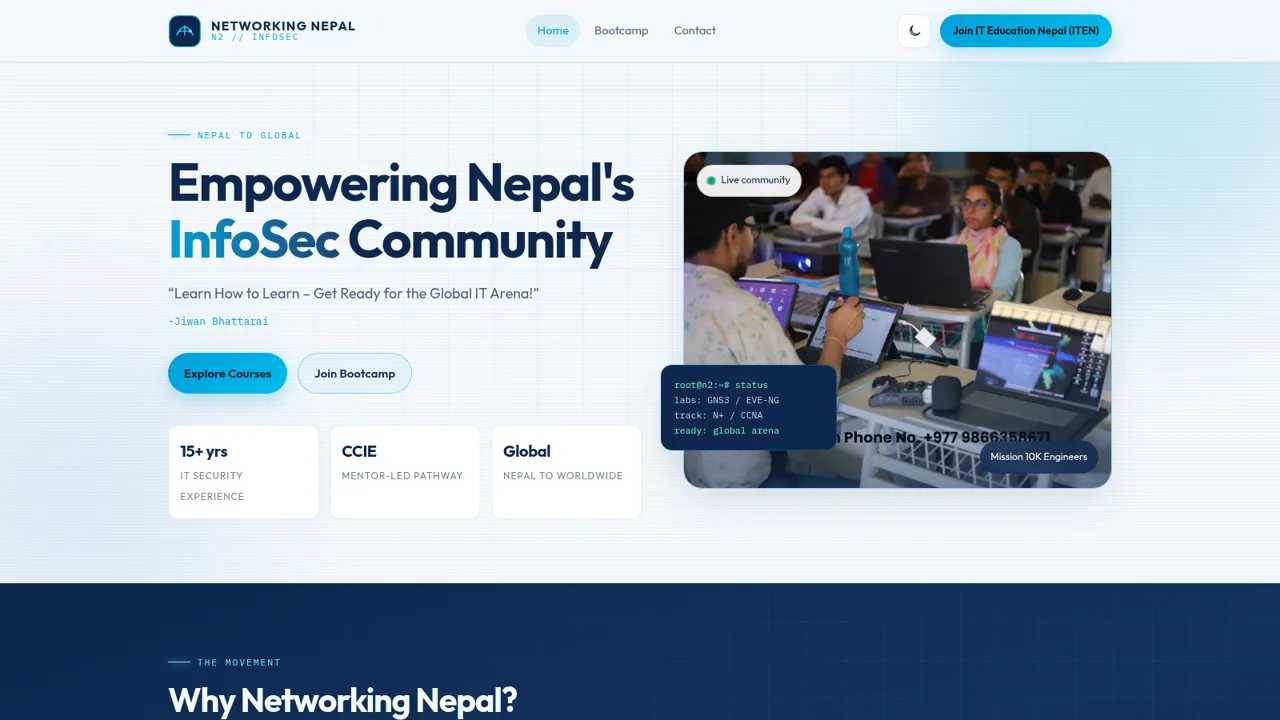
Networking Nepal
Empowering Nepal's InfoSec community with free, career-ready IT training.
 6
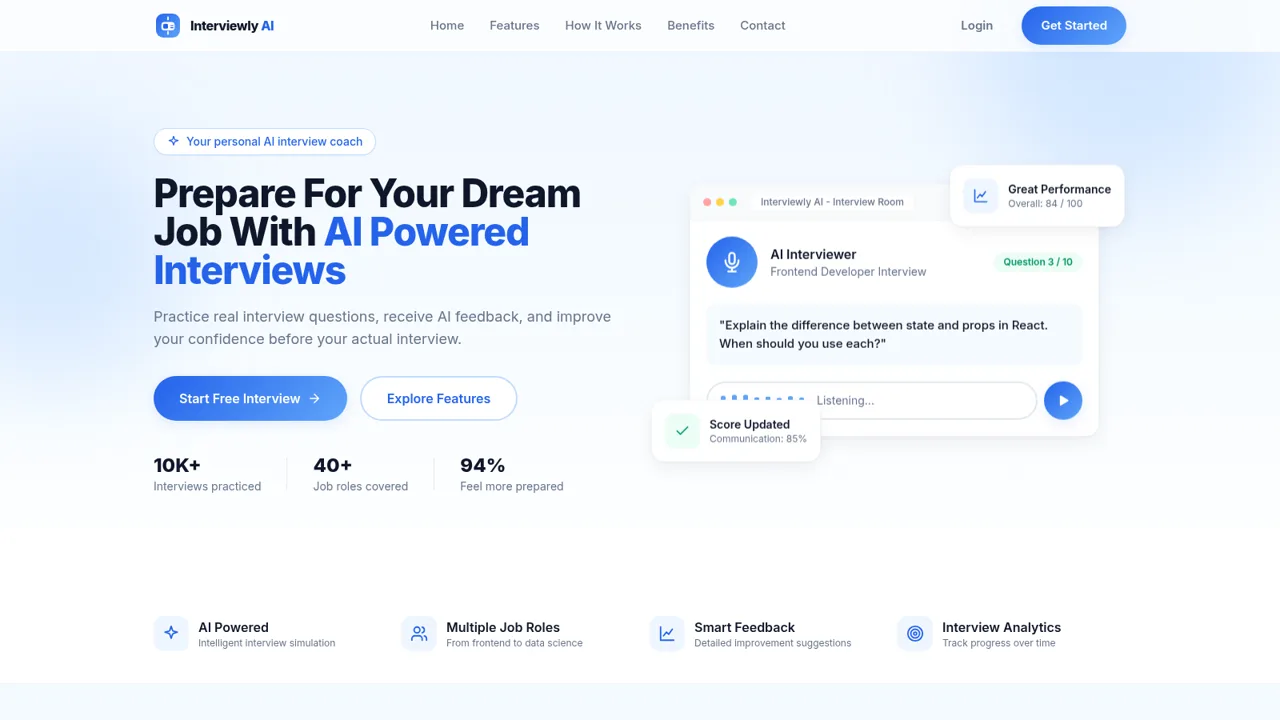
Interviewly AI
AI-powered interview practice with role-based questions, voice answers and performance reports.
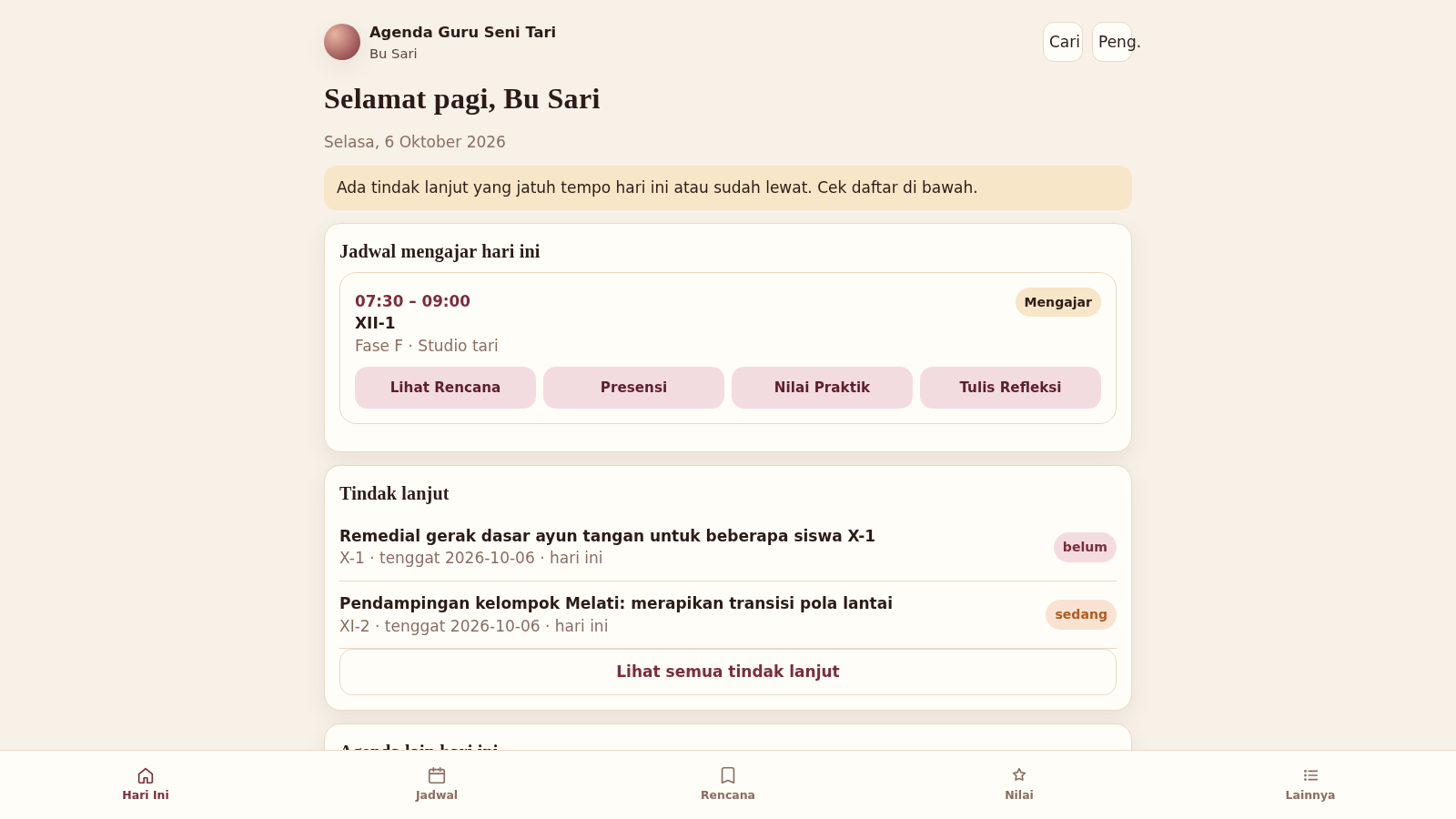 5
Agenda Guru Seni Tari
EduLog Dance