
Deuteronômio — Estudo Acadêmico
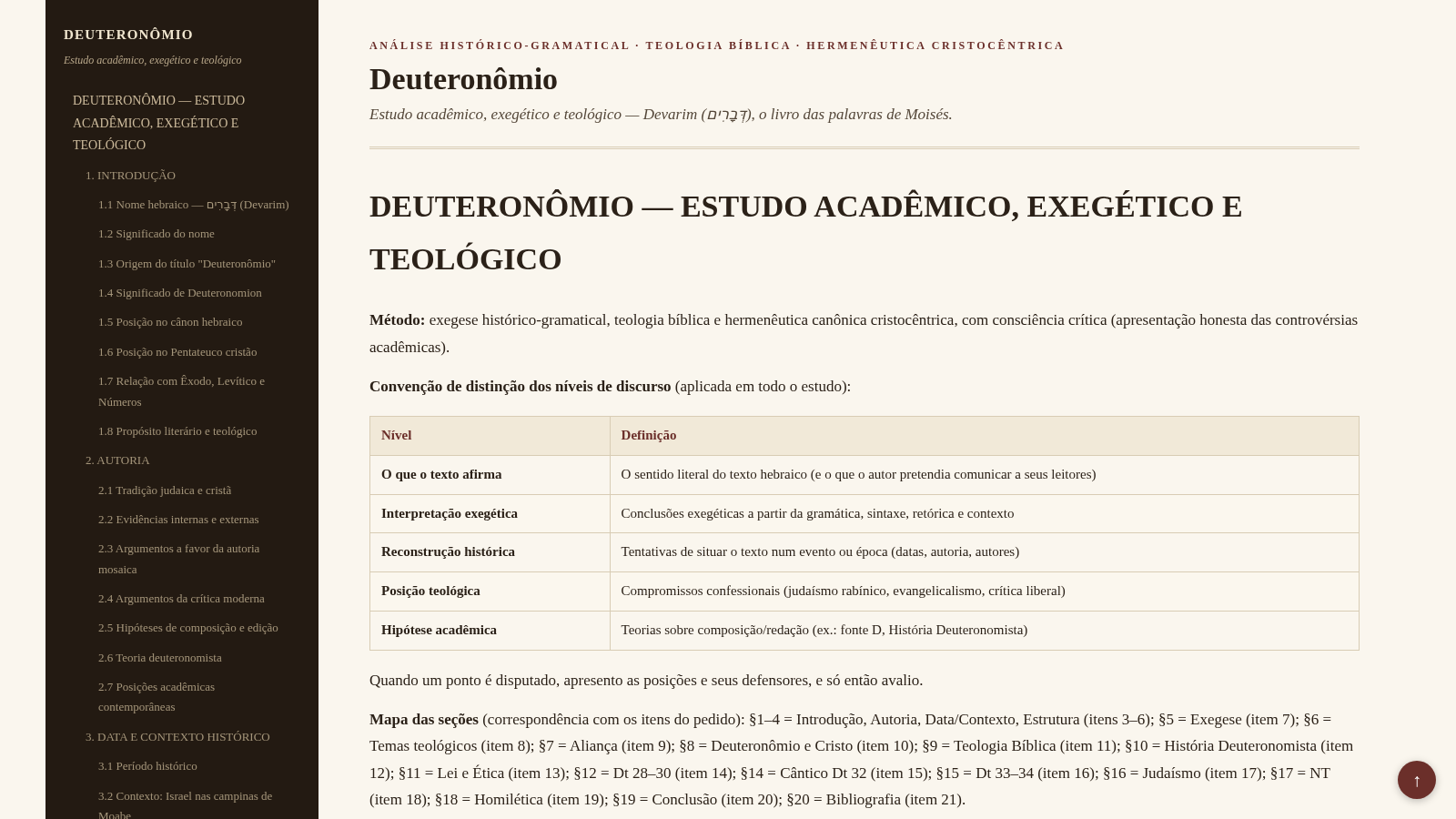
A structured Portuguese academic guide to Deuteronomy from Hebrew exegesis to Christian theological application.
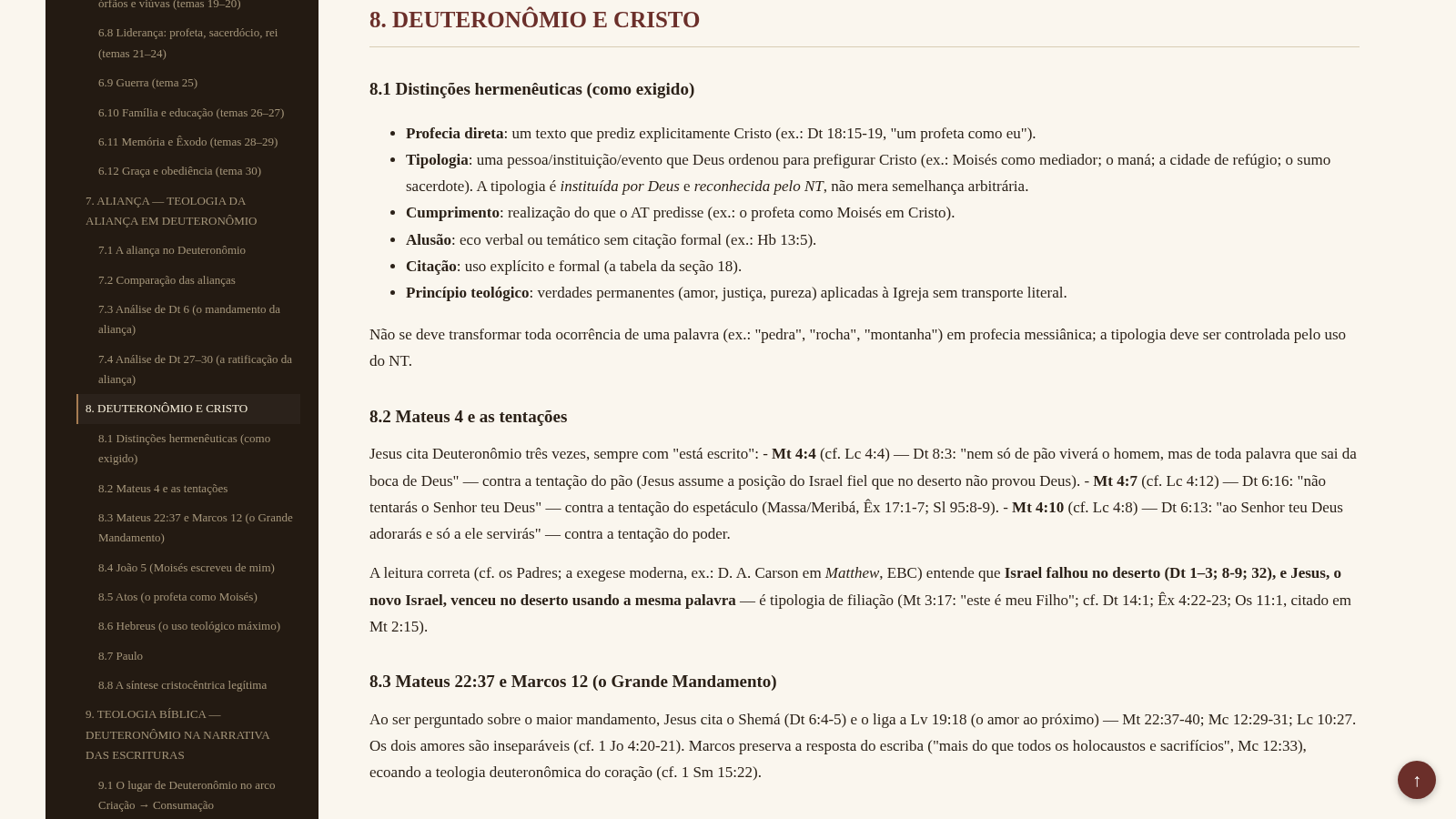
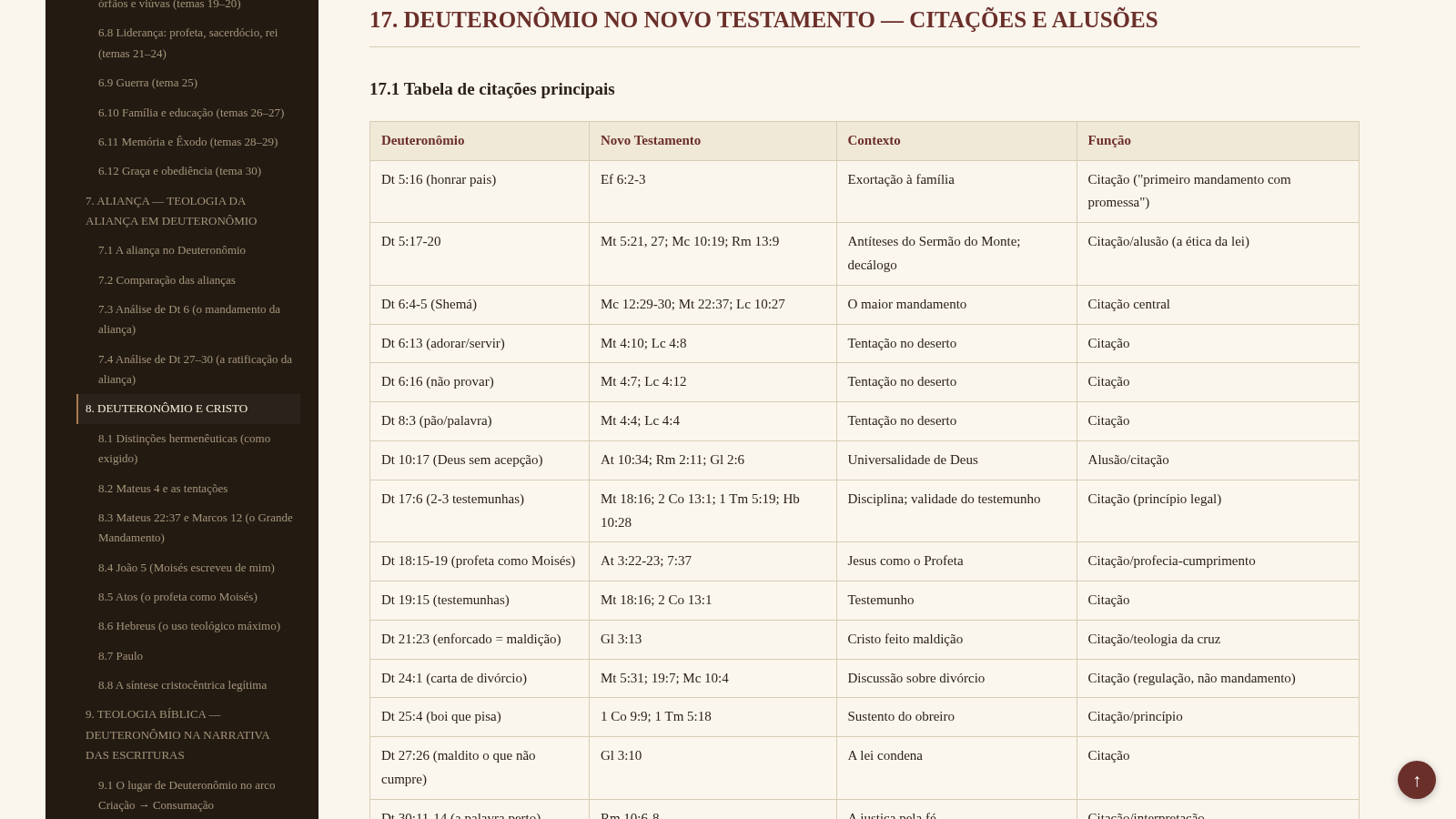
This long-form study examines Deuteronomy through historical-grammatical exegesis, biblical theology, and a critically aware Christ-centered canonical approach. It introduces the Hebrew title Devarim, authorship and dating debates, ancient Near Eastern context, literary structure, and the major speeches of Moses. A chapter-by-chapter section follows Deuteronomy 1–34, while later sections organize covenant theology, law and ethics, Jewish interpretation, New Testament quotations and allusions, connections to Christ, sermon applications, conclusions, and a substantial academic bibliography. The entire resource is written in Portuguese and is designed for sustained reading or targeted reference through its detailed contents navigation.
Highlights
Full-book scope
Covers all 34 chapters
Hebrew exegesis
Explains key terms
Critical balance
Compares major views
Canonical links
Maps New Testament use
Teaching material
Includes sermon outlines
Research sources
Provides bibliography
How to Use
Choose a section from the index
Use the left-hand contents panel to select a major topic or a specific subsection. The page moves directly to the corresponding heading, making it practical to consult one issue without reading the document from the beginning.
Begin with method and context
Read the opening methodological table and sections on authorship, date, historical context, and literary structure to understand how the study distinguishes textual claims, exegesis, historical reconstruction, theology, and academic hypotheses.
Study a biblical passage
Open the progressive exegesis section and select the unit covering the desired chapter. Central passages are organized around context, Hebrew language, structure, interpretation, theology, and relationships with other biblical texts.
Trace a theological theme
Move to the thematic sections for covenant, election, grace, obedience, worship, social justice, leadership, blessing and curse, or restoration. Follow the cited passages to compare how each theme develops across Deuteronomy.
Compare later reception
Use the sections on Judaism, Christ, and the New Testament to review liturgical use, hermeneutical distinctions, explicit quotations, allusions, and canonical applications of Deuteronomy.
Prepare teaching or research
Consult the homiletical section for text-based propositions, sermon structures, applications, and Christological connections, then use the final bibliography to identify academic commentaries and broader works for further study.
Similar Sites
 16
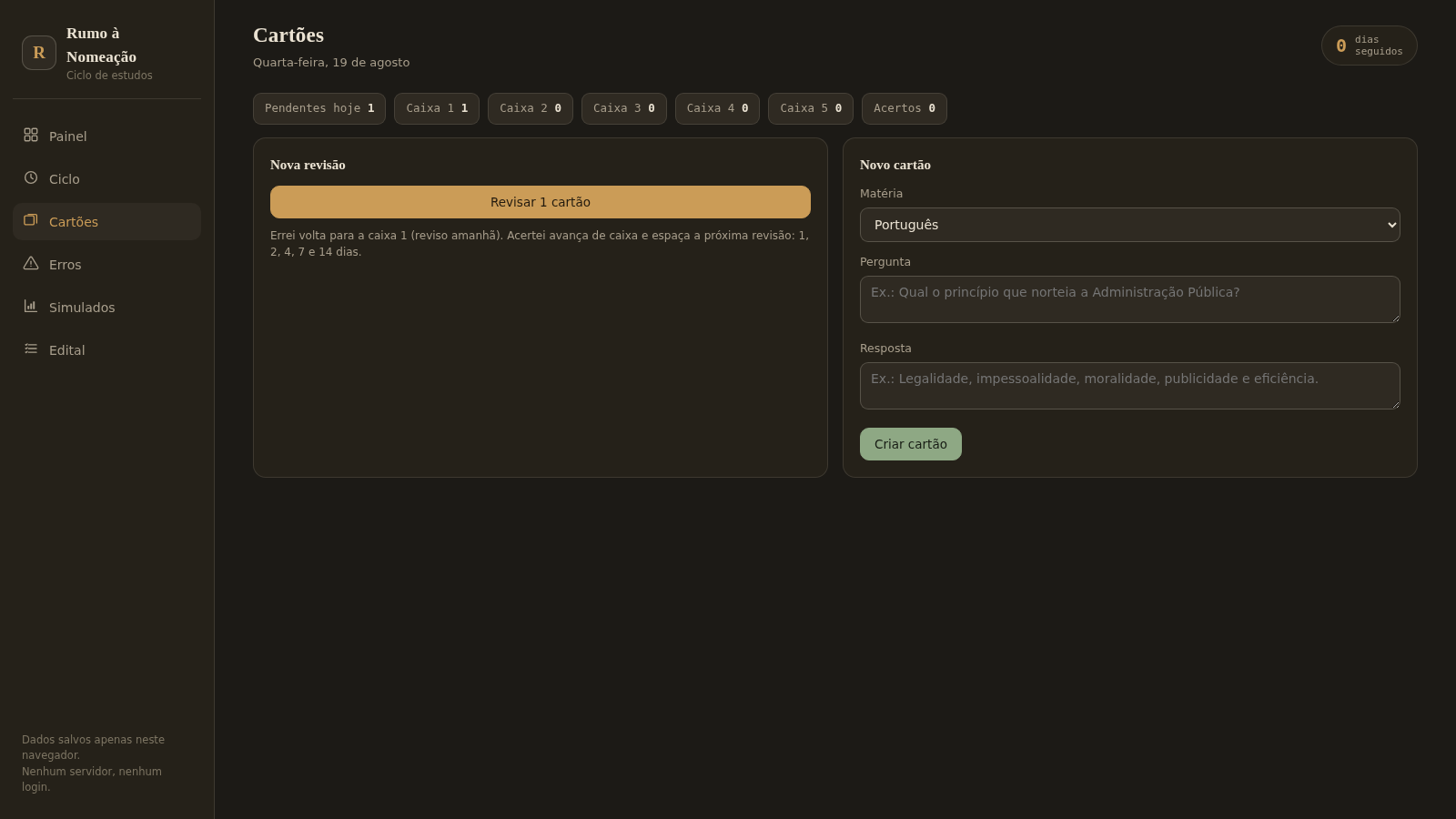
16Rumo à Nomeação
Ciclo de estudos para concursos: pomodoro, flashcards, caderno de erros, simulados e edital. Offline no navegador.
 9
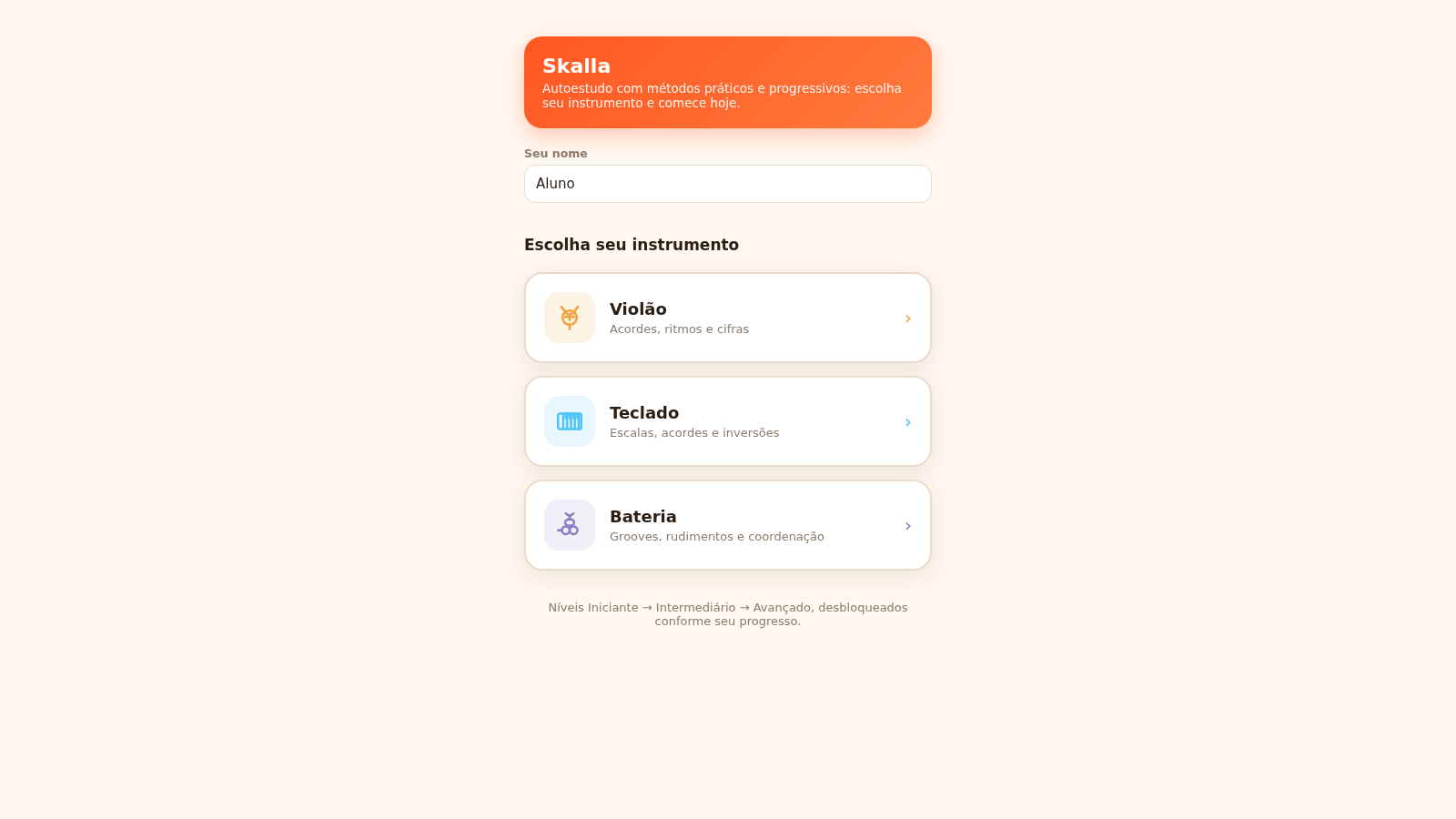
9Skalla
Skalla - autoestudo de música: violão, teclado e bateria
 7
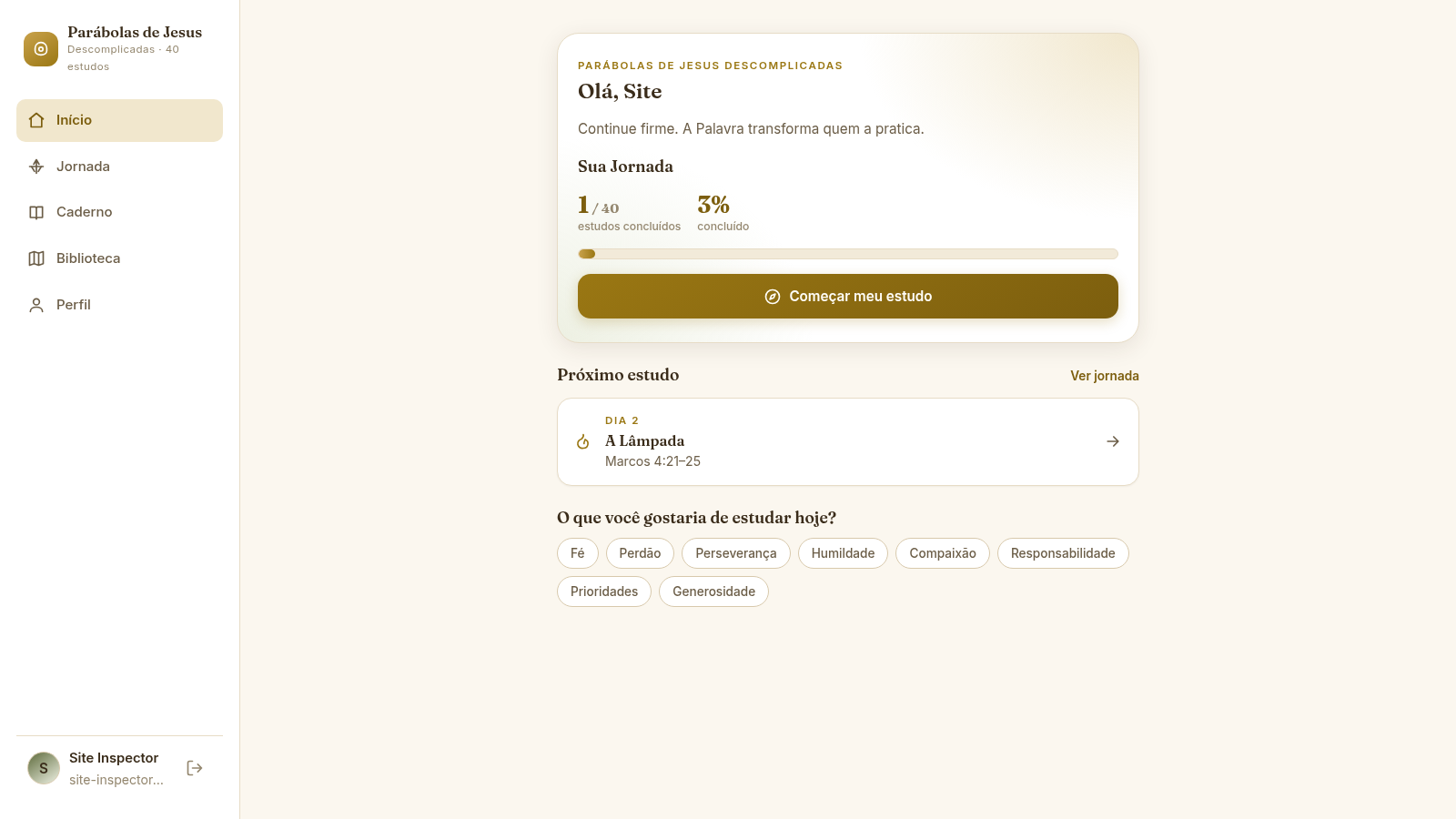
7Parábolas de Jesus
Jornada de 40 estudos sobre as parábolas de Jesus, com progresso e reflexões.
 3
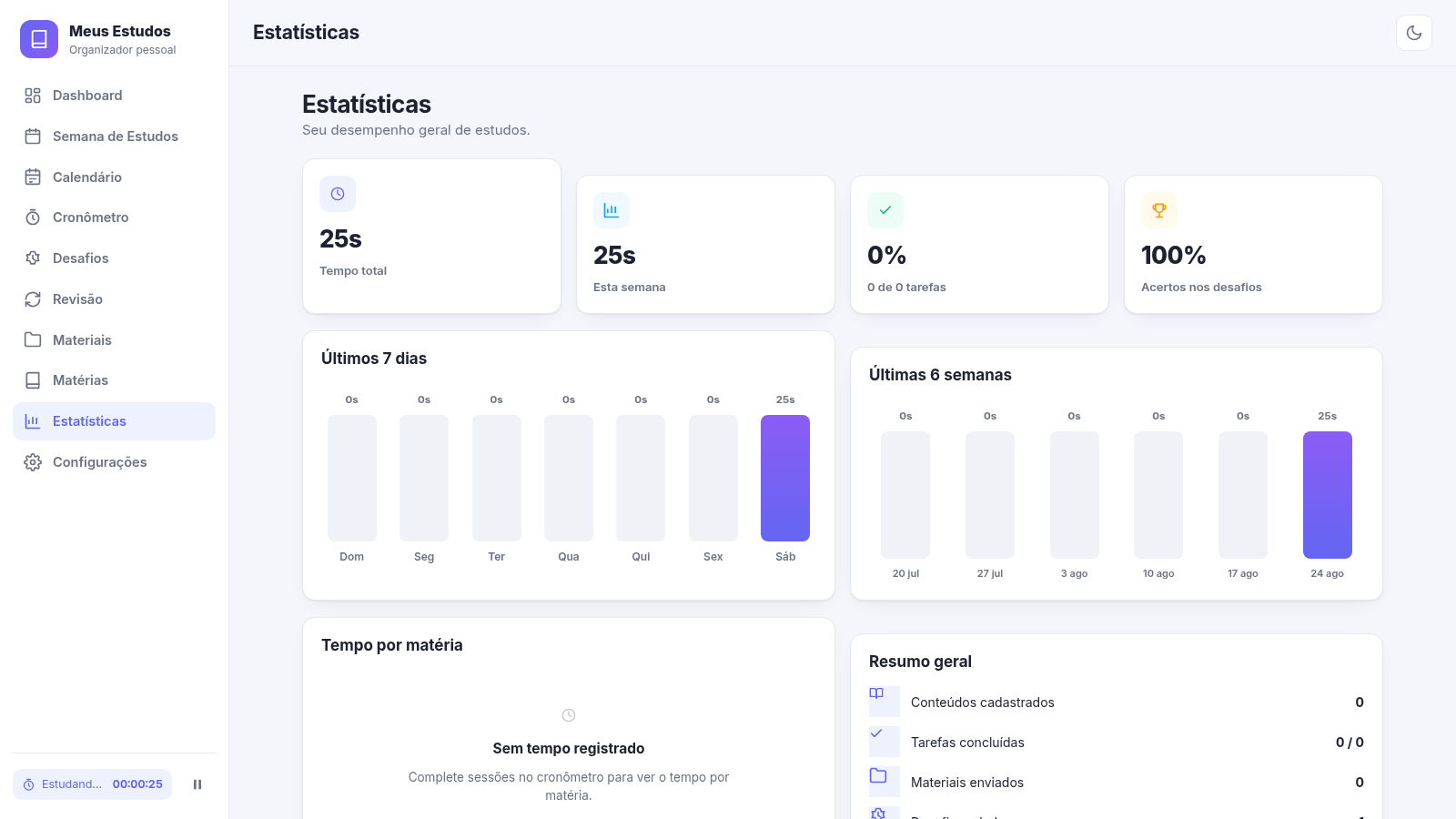
3Meus Estudos
Organizador pessoal de estudos: semana, cronômetro, desafios de memória e metas
 3
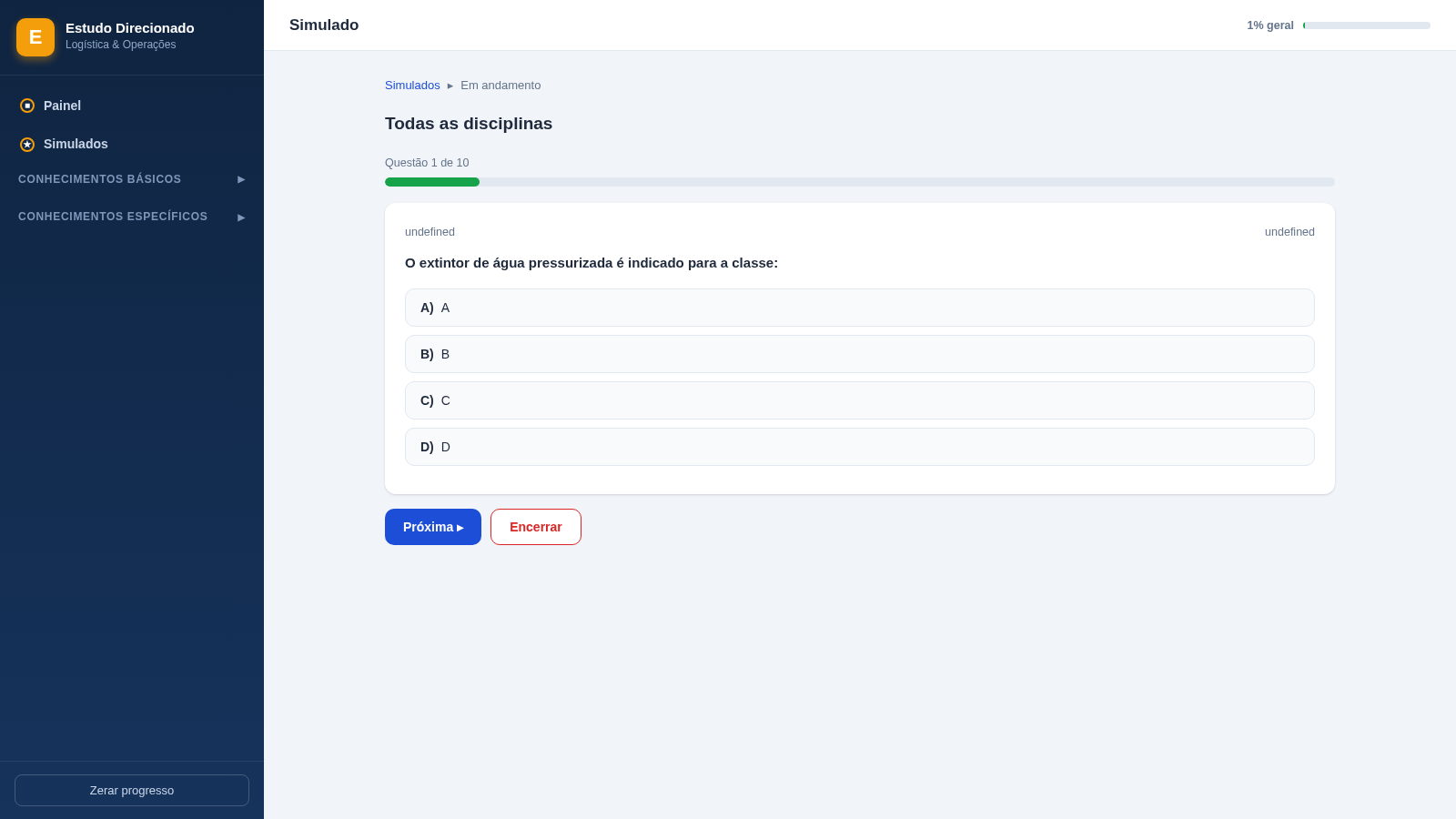
3Painel de Estudos - Logística
Estudo direcionado com 440 questões comentadas para concursos de logística
 23
23Ivan's School Day
Ivan's school day routine as a voice-narrated social story